Frontier
Research

Open
Science
Pushing theoretical boundaries and re-defining research to solve humanity's biggest problems
Born from a belief that to solve humanity's greatest challenges we must first rewrite the rules of research

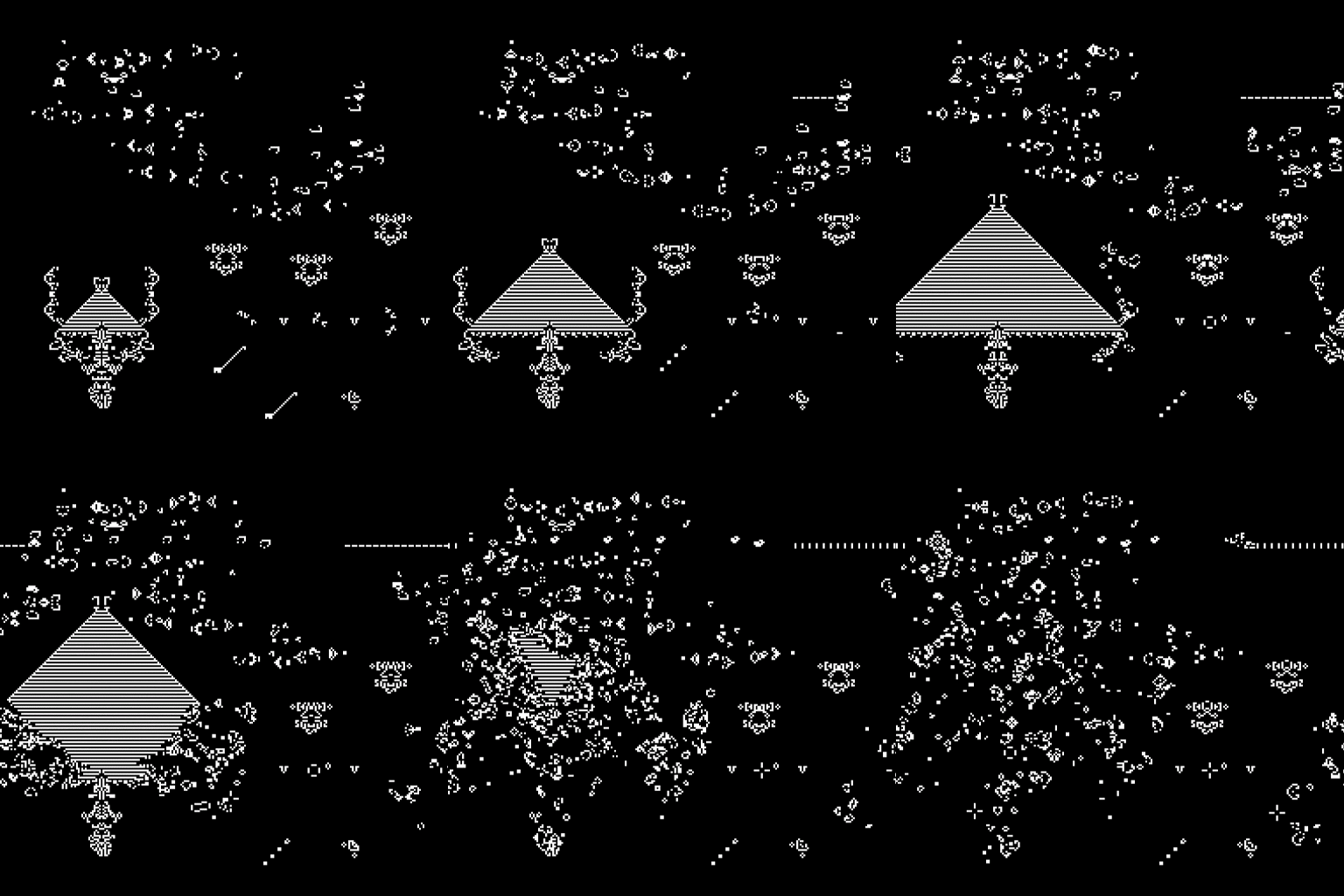
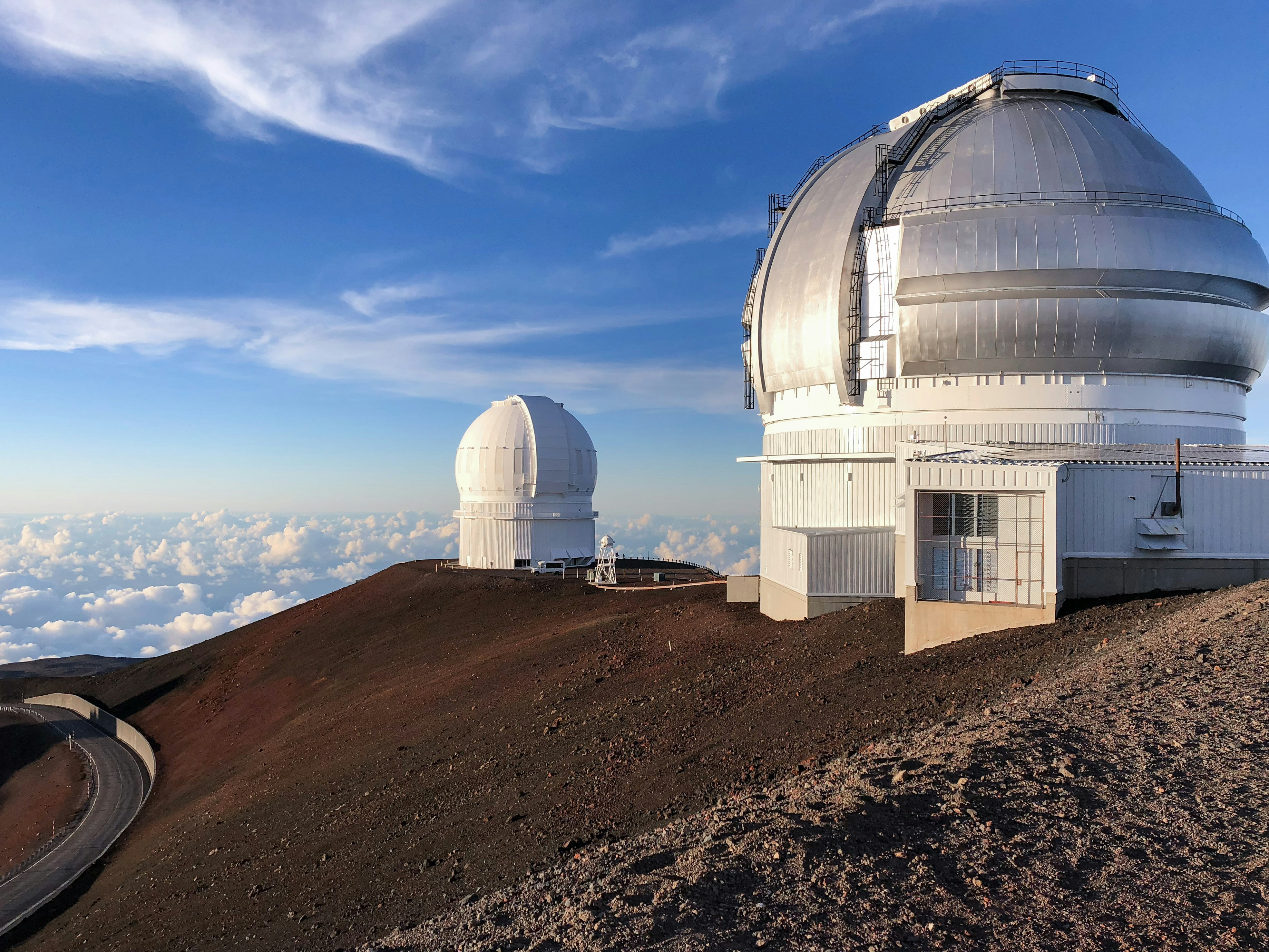

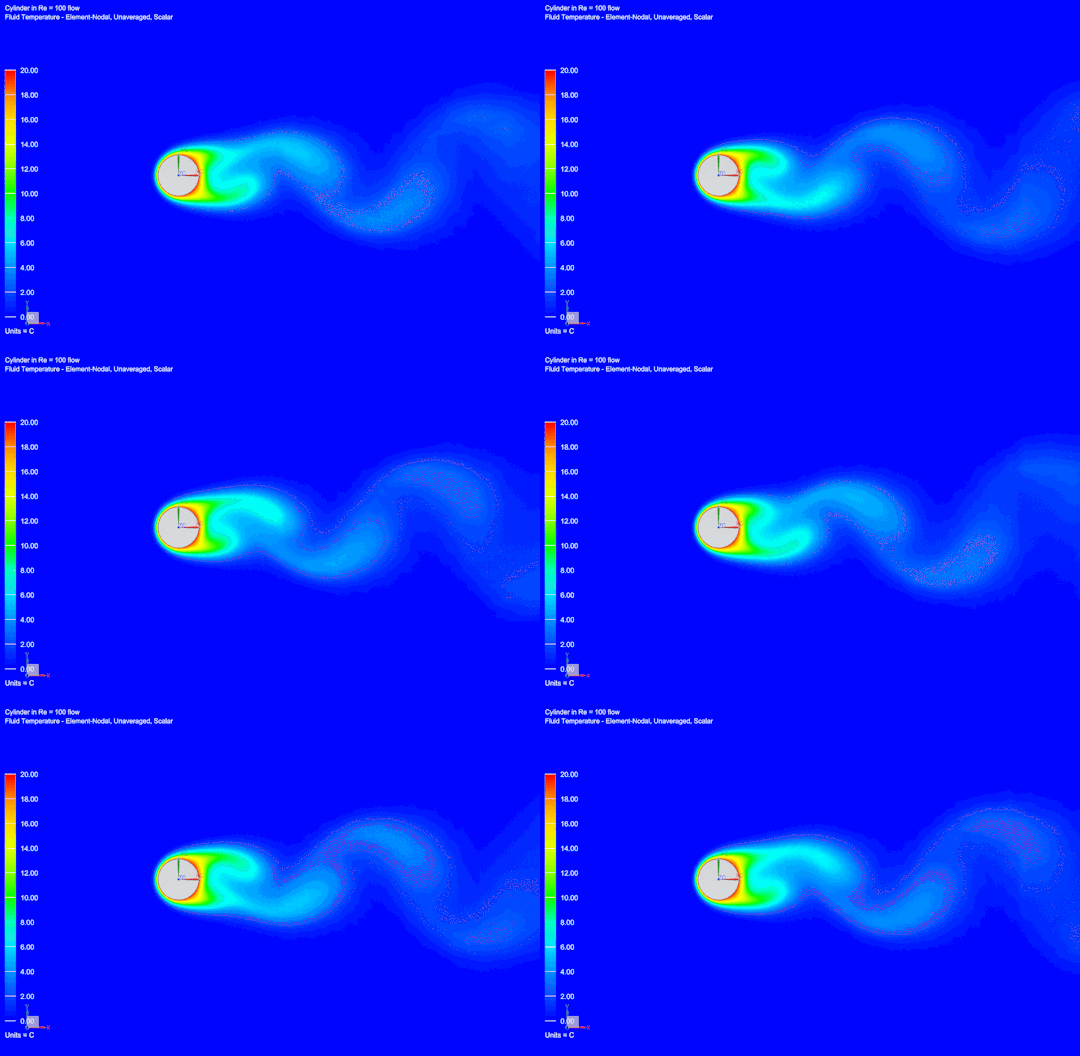
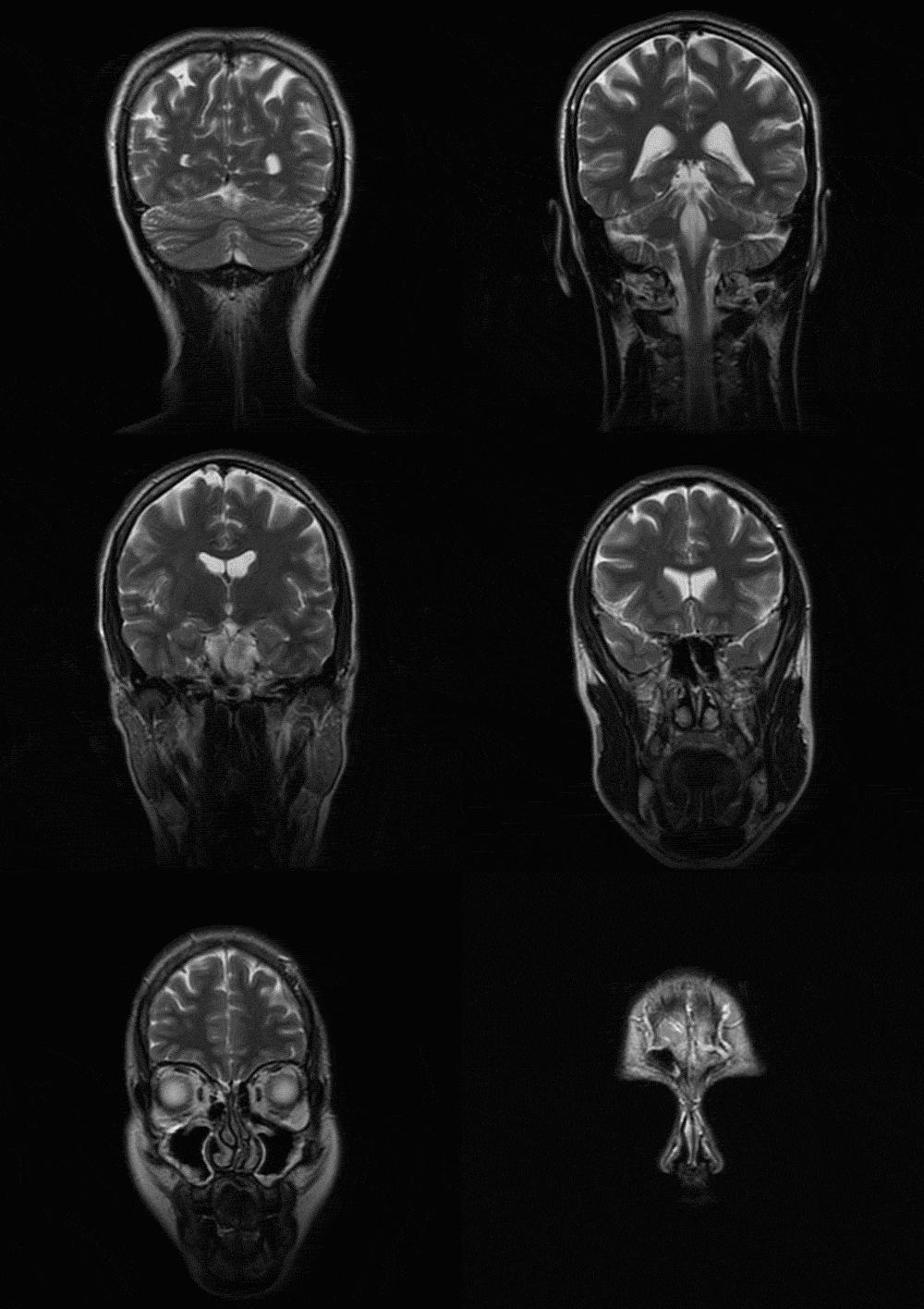
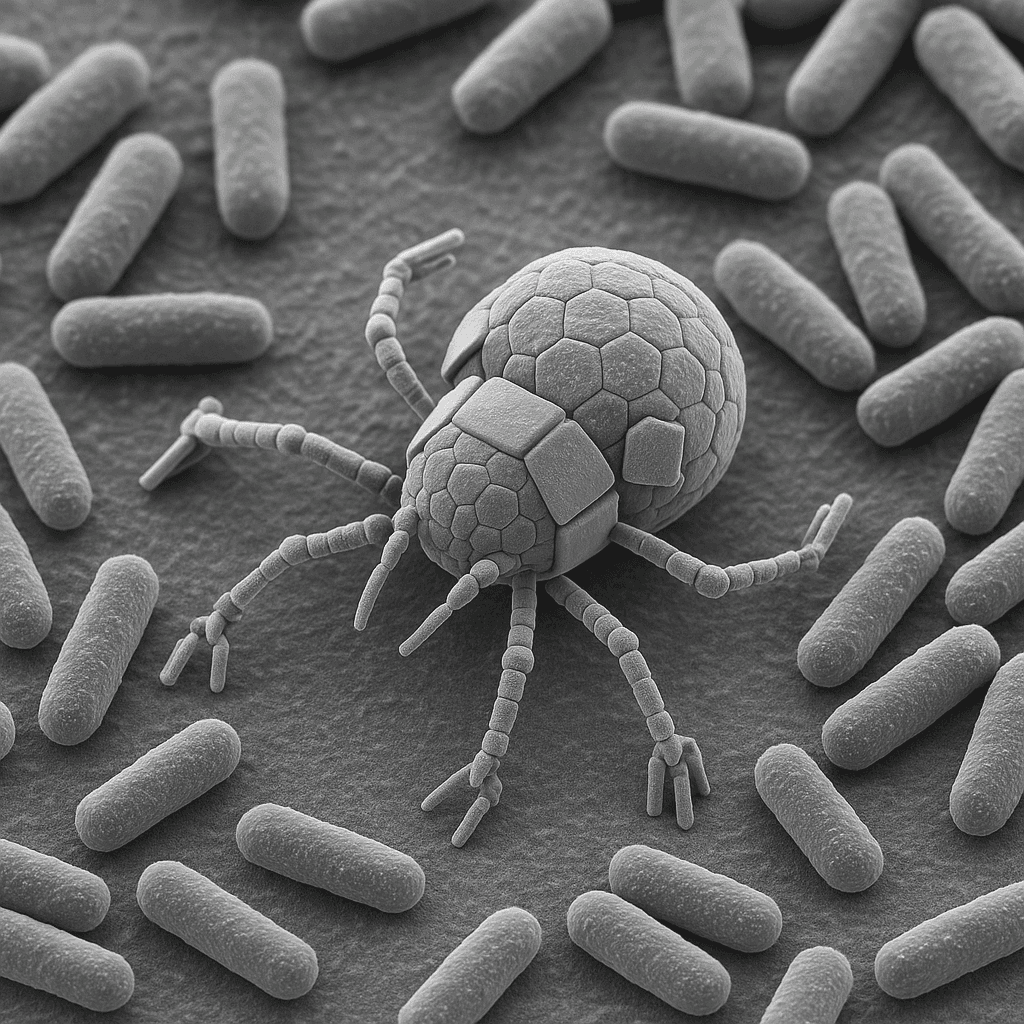
Kodama Labs is an independent open research laboratory building tools, models, and experiments that tackle civilization-scale problems through first-principles theory and engineering.
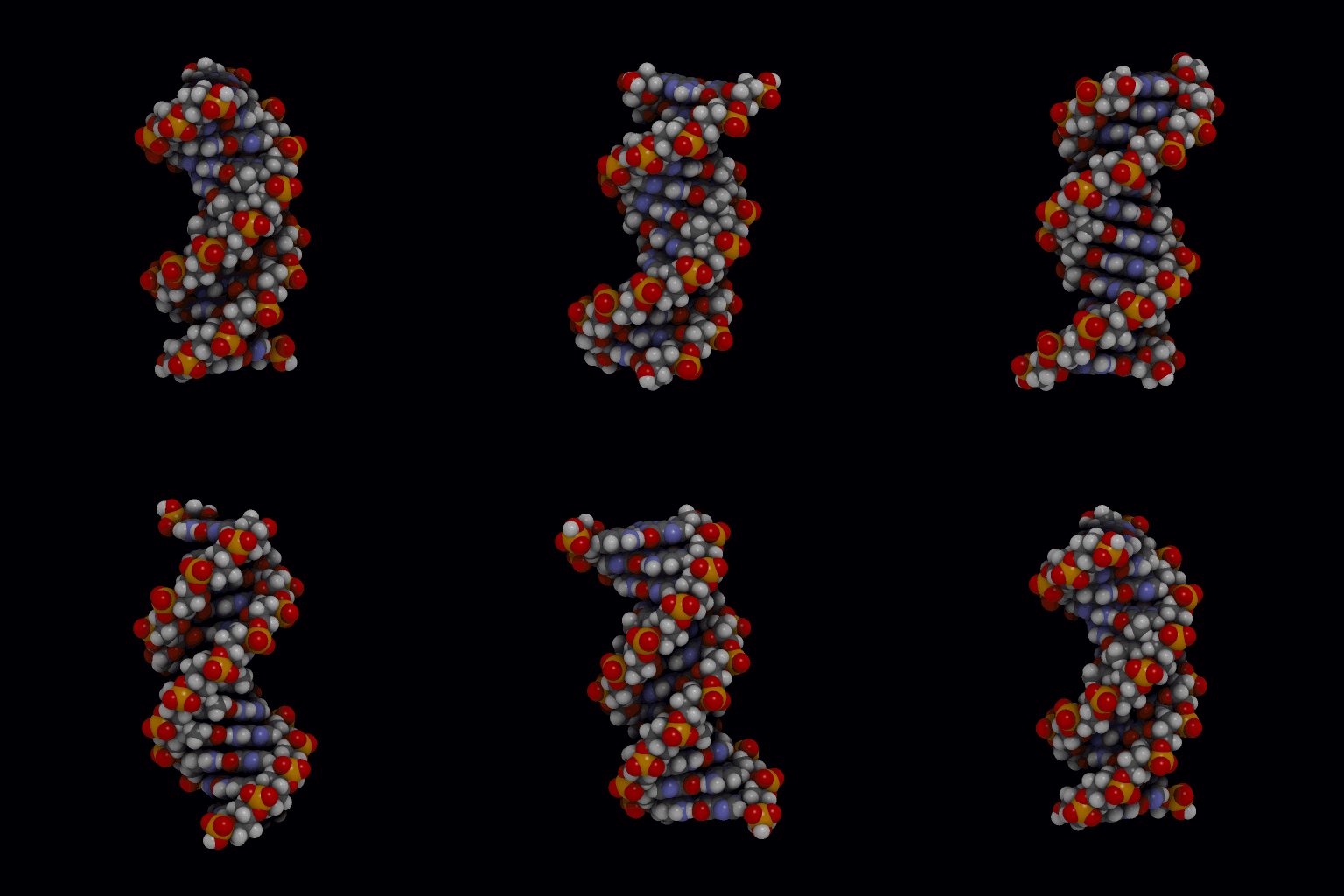
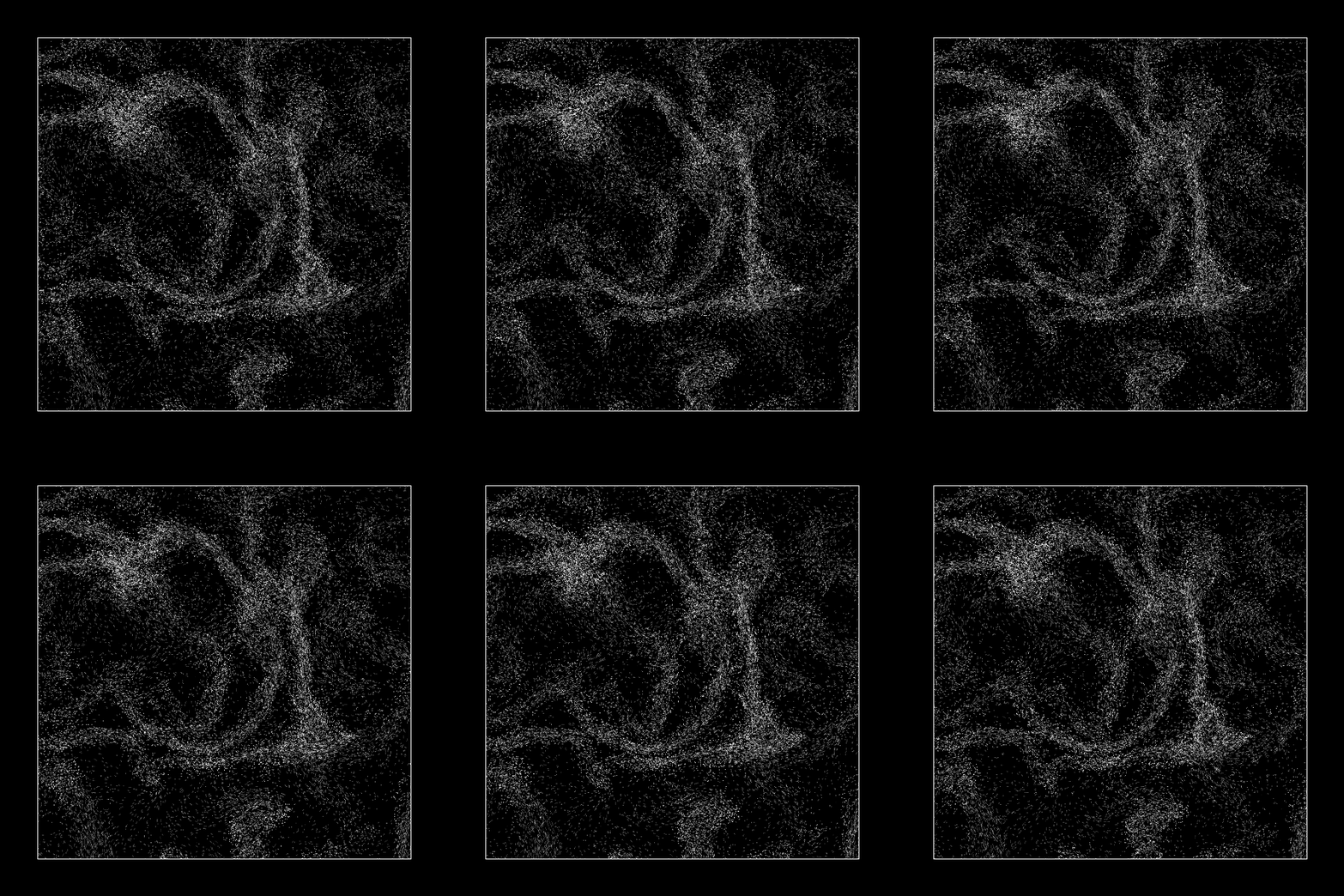
The true frontiers exist where bold minds, open to the impossible, reshape the very nature of discovery
Kodama is an open research group designed for collaboration across boundaries — disciplinary, institutional, and geographic.
Open Lab
We operate as an Open Lab: a space where researchers, engineers, and independent thinkers can work together on hard, foundational problems without being constrained by academic silos or commercial timelines. Our work blends theory and application, draws from diverse domains, and is shared openly whenever possible.
No Boundaries
There are no departments. No credential gates. No fixed definitions of what constitutes “real” research. What matters is the quality of ideas — and where they can go.
We believe progress happens when deep knowledge is allowed to cross-pollinate freely: when a physicist can shape a theory of cognition, when a biologist contributes to distributed systems, when an economic model is treated as a living system, not a closed form.
This is a lab for people who ask questions that don’t fit inside a single field — and are willing to help build the answers.
Each year, over 300,000 new PhDs enter a system not built to support them. Universities face funding cuts, research jobs are scarce, and industry work often deprioritizes foundational science.
10
At least 10 core challenges stand between our species and a viable, long-term future. These problems require long term efforts long outstanding traditional academic and industrial institutions
12+
Long-term research threads active
* Spanning AI, fluid dynamics, cognition, genetics, applied physics, and economics.
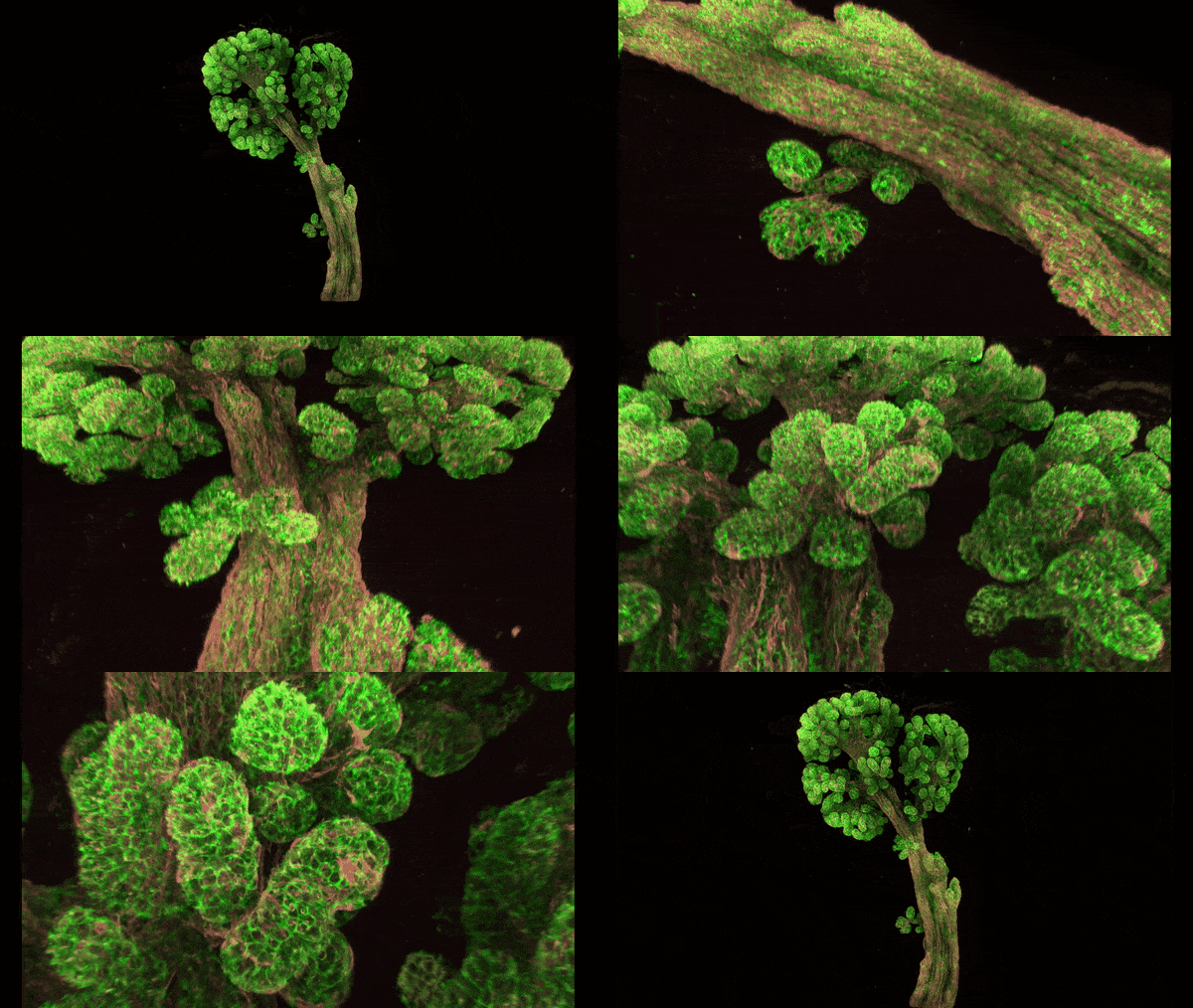

Quantum Computing
Exploring the boundaries of Quantum Computing architectures and application.

Artificial Intelligence
Researching new foundational models for ethical isometric human intelligence.

Complex Systems
Modeling large scale systems with emphasis on emergent behavior.

Computational Biology
Bridging the gap between application and theory in Genetics and DNA research.

Dynamical Systems
Applying analytical techniques to study evolving systems with a focus on applied physics.

Design Science
Researching new materials and design techniques to develop more efficient materials and architectures.