Bridging the gap between academic research and real-world solutions
In the pursuit of scientific advancement, the journey from theoretical research to tangible solutions is often fraught with challenges.

Written by
V0IDZZ

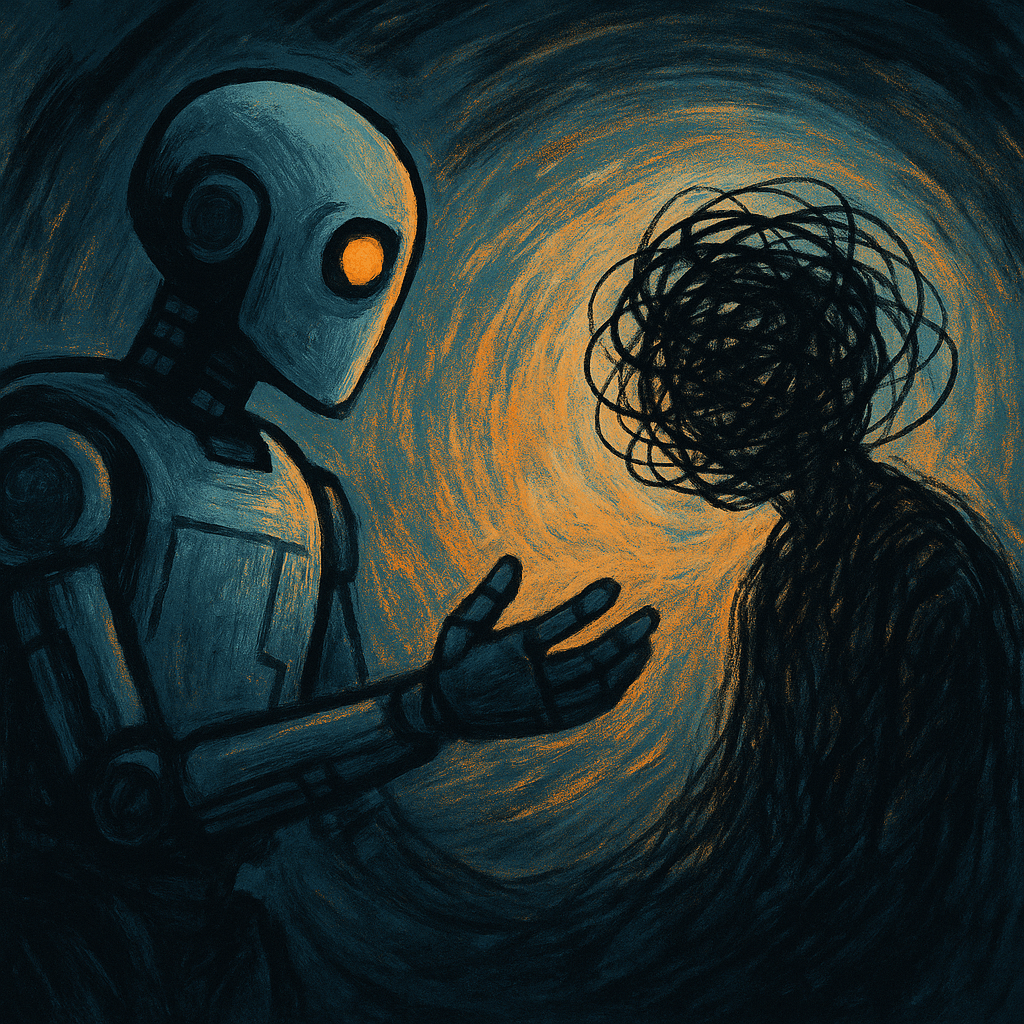
Imagine a sentence as more than a string of words. Imagine it as a force—one that, depending on who hears it, could lift, agitate, or reroute their entire emotional state.
What if we could measure that force?
A new model in cognitive science proposes just that. By weaving together ideas from psychology, symbolic logic, and dynamical systems, it offers a framework for predicting how language—specifically the intent and structure of a sentence—affects the emotional trajectory of a person or agent.
This isn’t just sentiment analysis. It’s not about labeling a sentence as “happy” or “angry.” It’s about mapping the alignment between the emotional momentum of a person and the intent encoded in the words they encounter, and quantifying how much that encounter shifts them—internally, behaviorally, meaningfully.
Agents with Direction
The theory begins with a deceptively simple idea: each person has a personality—a vector of psychological traits—and a history of actions they’ve taken. These two forces shape where they are emotionally at any moment, and, more subtly, where they’re headed.
Personality is the stable structure. Action history is the evolving path. Mood emerges at the intersection of the two—a kind of emotional state that reflects both disposition and experience.
But crucially, mood is not static. It evolves. And that evolution has a direction. Like velocity in physics, a person’s mood is always moving, even when they appear still. The question becomes: what moves it?
Language as Emotional Force
This is where language enters.
In this model, every sentence we encounter—whether spoken, read, or imagined—is treated as a symbolic object. Not just information, but an intent-bearing structure. And certain features of that structure—like the density of verbs, the emotional resonance of the words, the alignment with a person’s past behaviors—can be used to compute its force.
In other words: the sentence “I think you’re doing great” might have little effect on someone already feeling confident. But for someone anxious and self-critical, that same sentence might realign their emotional vector. The impact isn’t in the content alone—it’s in the interaction between who you are, what you’ve been through, and what the sentence intends to do.
The Mechanics of Emotional Alignment
The heart of the theory lies in this question: Is a sentence pushing you further in the direction you're already headed—or is it pulling you off course?
If someone is hopeful and hears a future-oriented question (“Do you want to try something new?”), the sentence might reinforce their current state. But the same sentence, aimed at someone burnt out or cautious, might introduce tension—a mismatch between their emotional trajectory and the action being suggested.
In this framework, sentences act like vectors in a dynamic field. Some amplify our current emotional momentum. Others counteract it. The result is a model that can, in principle, predict the emotional delta—the change in mood that a symbolic input might cause.
Representation is Everything
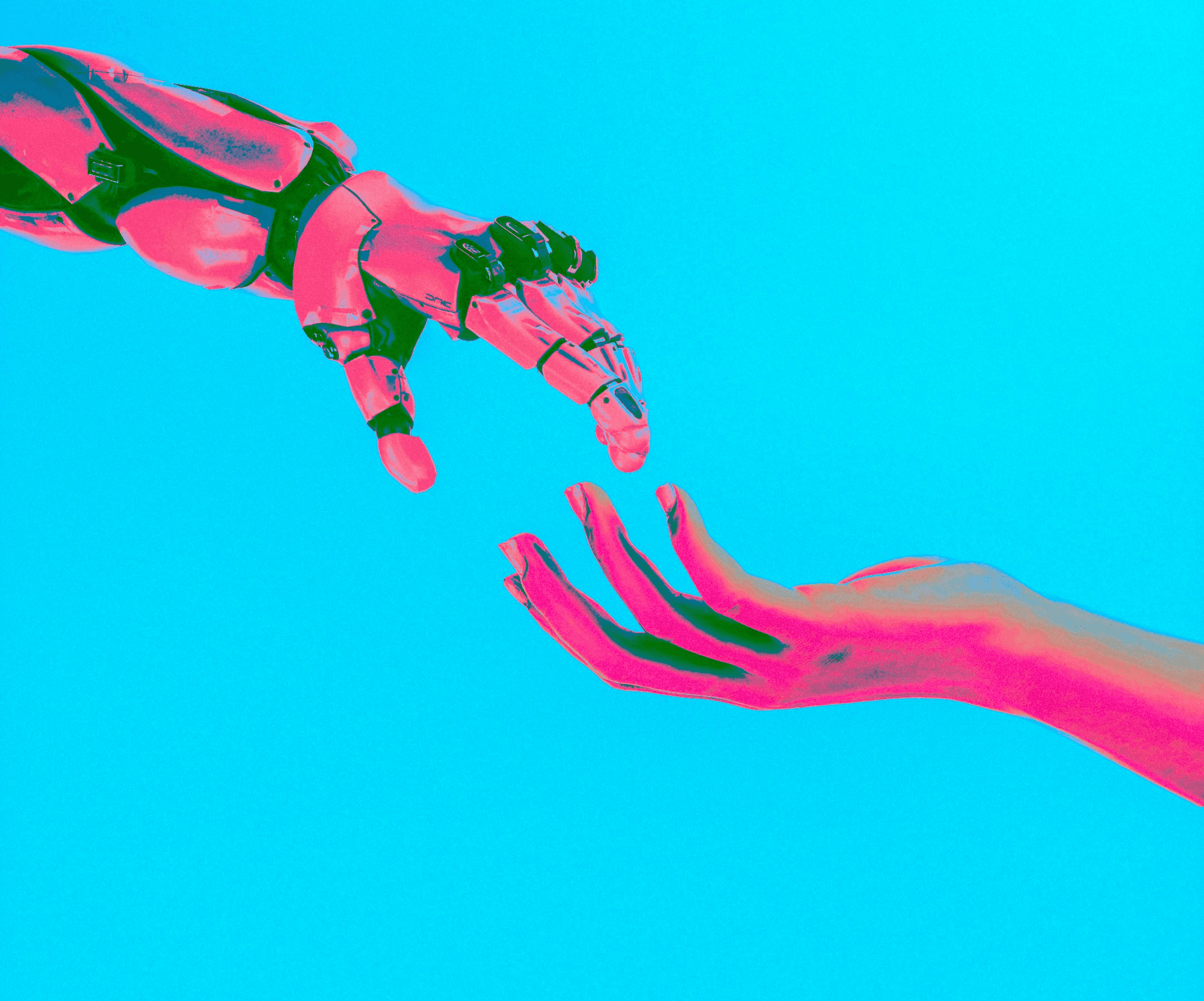
Underpinning the entire model is a philosophical stance: that all conscious thoughts can be reliably represented symbolically.
This means that thoughts, experiences, intentions—even moods—can be encoded, reflected, and simulated using structured representations like language or logic. It's a bold claim, but a necessary one if we hope to build systems (biological or artificial) that can not only process emotional inputs, but model them, remember them, and anticipate their effects.
It also means that internal thoughts and external sentences are structurally equivalent: both can influence mood because both can be embedded symbolically. A memory, a statement, a question—all become events in an emotional simulation that unfolds within a person.
Why It Matters
This model could reshape how we build emotionally aware AI systems, simulate psychological states in virtual agents, or design therapeutic conversations tailored to someone's internal trajectory.
But more profoundly, it offers a new lens on ourselves.
We are not just thinking machines or feeling machines. We are symbolic creatures, animated by stories, shaped by language, and moved by sentences that resonate—or clash—with our unfolding internal paths.
What this model suggests is that language is not just how we communicate, but how we steer. How we nudge others—and ourselves—toward different futures.
And if we can model that process?
We might just begin to understand how our inner lives move through time.